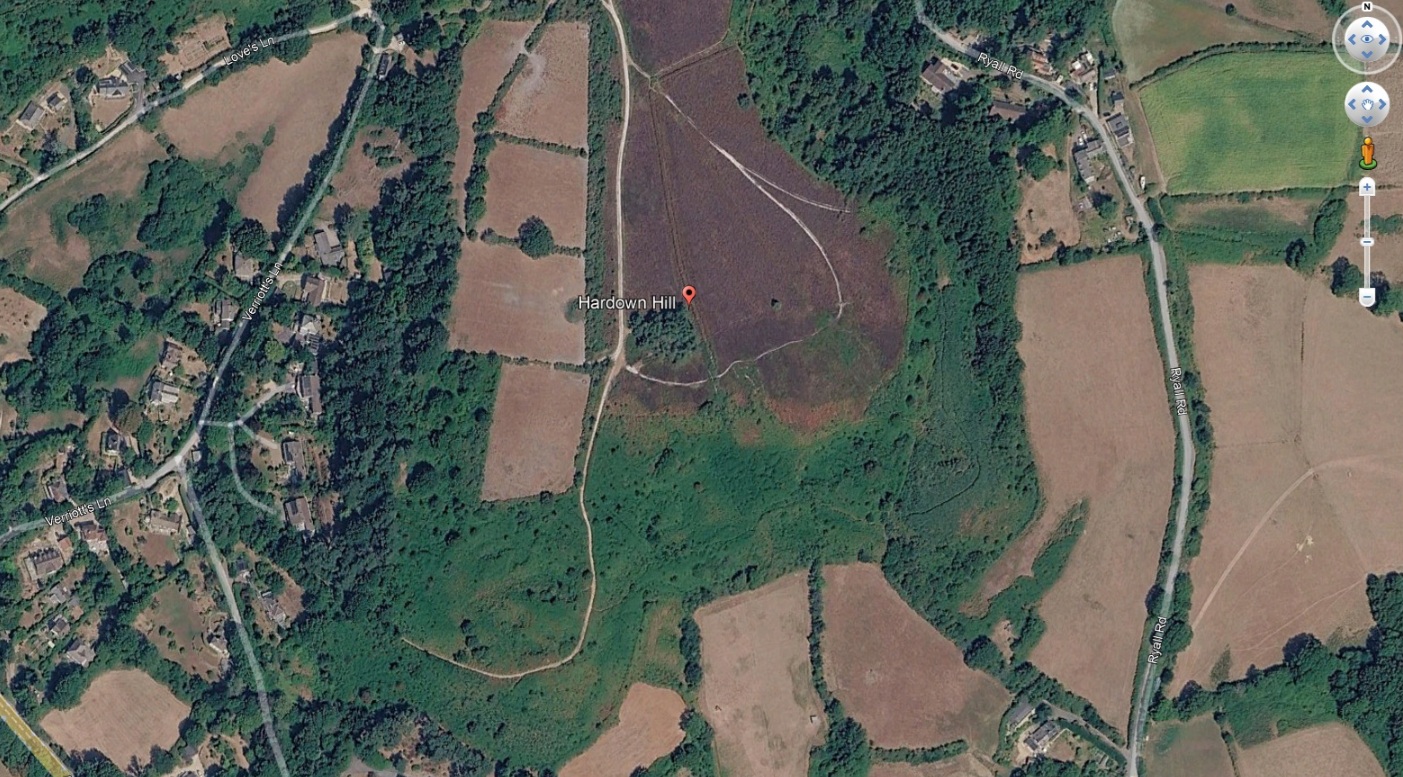
The more I look at Hardown Hill, the more intrigued I become. There are Bronze Age barrows up there, including one central mound surrounded by a rather more elaborate arrangement of banks and smaller mounds. But what exactly that arrangement represents, and when it was created, remains uncertain.
Then comes the extraordinary twist. In 1916, Dr Wyatt Wingrave excavated one of the mounds and discovered spearheads, a shield boss, a knife and a bronze brooch. These point to an Anglo-Saxon burial, probably dating to the fifth or sixth century AD, long after the original Bronze Age monument was built. Even the precise mound in which the finds were discovered appears uncertain.
And that is before we consider the chert quarrying, which has further altered the landscape and left us with hollows and earthworks that are not necessarily prehistoric at all.
So I find myself looking at Hardown Hill and asking a simple question. Was there once more here than a collection of burial mounds? The hilltop position, the commanding views and those unusual concentric earthworks certainly invite comparison with an enclosed prehistoric settlement.
But here is where we must be careful. Unlike nearby Coney’s Castle, which is recognised as an Iron Age hillfort, Hardown has not been securely identified as one. That does not prove it never served such a purpose, but neither does the shape of the earthworks prove that it did.
For me, that uncertainty is precisely what makes the place so interesting. We have evidence of prehistoric burial, later Anglo-Saxon activity and extensive quarrying, all layered across the same hilltop. What we do not yet have is a convincing explanation for the whole picture.
I would like to know more about those surrounding banks and mounds. Were they part of an original prehistoric design, the result of later activity, or something more complex?
Until the archaeological evidence answers that question, I shall resist putting a definitive label on Hardown Hill. But I certainly would not dismiss it as just another barrow cemetery. There may be more to this hilltop story than the surviving records presently tell us.
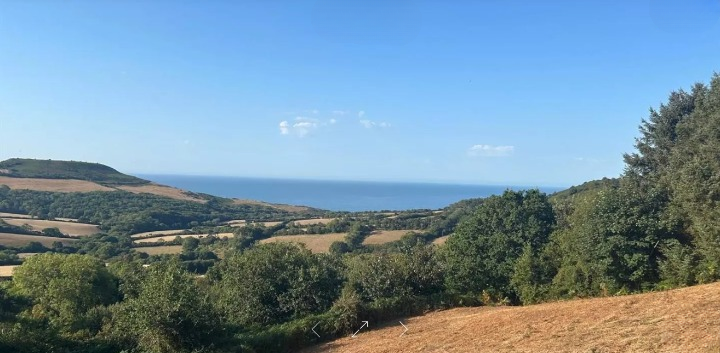
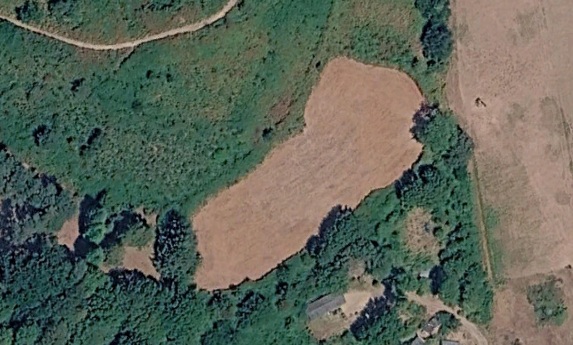
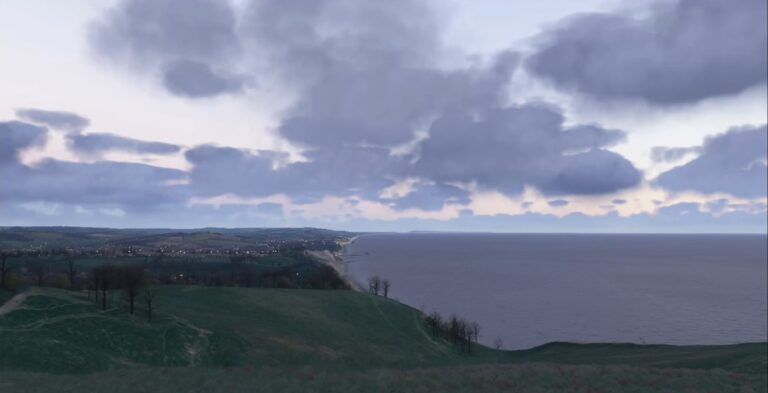
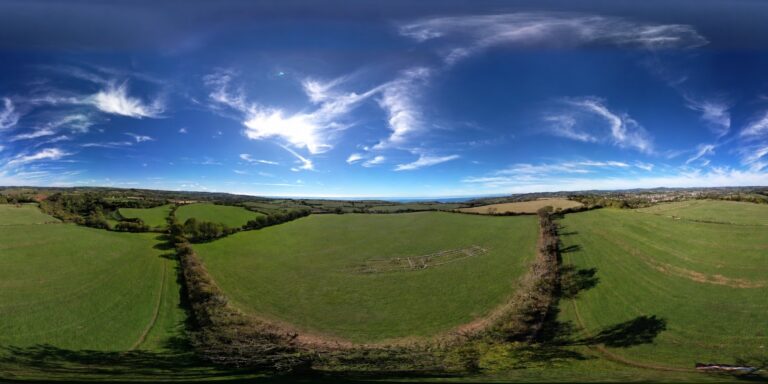
Oh, and one more thing. The reason I discovered it, (Never heard of it prior), was simply because I’d been window shopping to buy my own little piece of ancient West Dorset landscape as a possible acre or two of land to lay myself to rest in for when I take the inevitable big long sleep – or whatever comes next. This 1.84 acre parched brown plot, (left and above), is just below the hillfort and for sale at an estimated auction price of £30,000.
About the Author