My hardware collection is extensive and consists of all kinds of gadgets, digital photography, video and 3D devices, specialized PC workstations, collectable computers, electric bikes and pedelecs and a substantial retail reconditioned computer inventory.
My Main Creative Workstation is my most powerful system, used for high-performance tasks like flight simulation, 3D rendering and an ongoing ‘MuseByte’s Brain AI based data project (of which this very website is a fundamental part of), with the ultimate objective of turning a 3D printed humanoid robot into a posterity container and ‘digital twin’ of my own mind.
The Windows 11 PC workstation features a 13th Gen Intel Core i5-13600KF CPU running at 3.50 GHz with 14 cores and 20 threads, an ASRock Z790M PG Lightning/D4 motherboard, 32 GB of RAM and storage comes in the form of a couple of screaming lightning fast 2TB m.2 drives.
Graphics card-wise, it boasts what would, in normal circles, be regarded as a very, very decent NVIDIA RTX 3070 Ti GPU with 8 GB of VRAM although, to my utter disappointment, while the beast of an nVidia graphics card is fabulous for the very demanding Microsoft Flight Simulator, to my utter horror, after purchasing it, I discovered that the nVidia 3070Ti’s 8 GB of VRAM (video ram) lies at the ‘intermediate level’ when it comes down to performing serious AI computational work which, I assumed, was a bit of a bummer although I, perhaps, shouldn’t be so hard on myself.
Compared to the average PC user, the thing is, indeed, a monster but, had I known of ‘the VRAM shortfall … representing the amount of compute it has to digest and run BIG large language models, I could have paid for an nVidia card with X GB Vram and gained a significant leap in AI processing power, (an ability to run bigger models than I probably can using my own card), but hey, as a matter of fact, yes, the card is mid-range but more than big and ugly enough to run the AI brain my humanoid bot will need to lead an entirely fruitful and rewarding digital life and, anyway, that brain will still need to be optimised downwards to eventually end up inside some kind of portble Android device like a smartphone, a tablet or a bespoken nVidia product actually designed for a bot so me having a less powerful nVidia card actually means I have less of a task when having to distil the ‘intelligence’ down into a lesser ‘vessel’ than if I’d hade to do so on some enormous Frankenstein like brain I’d created with something far more powerful!
So I’m sure everything is going to be fine. 🙂
My Secondary “Archivist” Workstation, located in the kitchen, is an enterprise-grade desktop PC utilized for long-term database indexing, metadata management and media curation. It is a Dell Precision T5610 Xeon Workstation with dual Intel Xeon E5-2600 v2 series processors, 16 GB of RAM, and storage featuring a 10 TB Western Digital Gold mechanical drive alongside twin 1 TB mechanical drives. This system runs MX Linux XFCE.
I also maintain Specialized Servers and “Frankenstein” builds. This includes an Antec Data Vault, a massive Antec P182 case being built into a “super PC/server” to interrogate dozens of hard drives simultaneously, which features 10 native SATA ports on the motherboard. My NAS fleet consists of a Synology DS220+ acting as my flagship storage vessel, supported by a secondary DS216se. Additionally, I have an Acer Z5700 22-inch All-in-One touchscreen running Ubuntu 22.04, which I use as an interactive kiosk player for my PC sales gallery.
In my Refurbished and “Retro” Inventory, I maintain a “distributed atelier” of approximately 30 to 40 laptops and desktops at Beach Cottage. Notable machines include a Packard Bell OneTwo L5871, a 23-inch touchscreen AIO with a 2nd Gen Core i5, 8 GB of RAM, and a 1 TB SSD. I also have a Dell Precision 6400 (M6400), a flagship legacy laptop I returned to Windows 7 for my “Retro and exotic” category. My iMac Collection consists of several 21.5-inch and 27-inch OpenPatched 2011 models upgraded with 500 GB SSDs and running MX Linux XFCE. For portable devices, I own an Asus Transformer with a quad-core Atom running MX Linux KDE, a Microsoft Surface Tablet in a leather case, and several Lenovo ThinkPads, including a Yoga 12 and a T400. (Both MX Linux KDE).
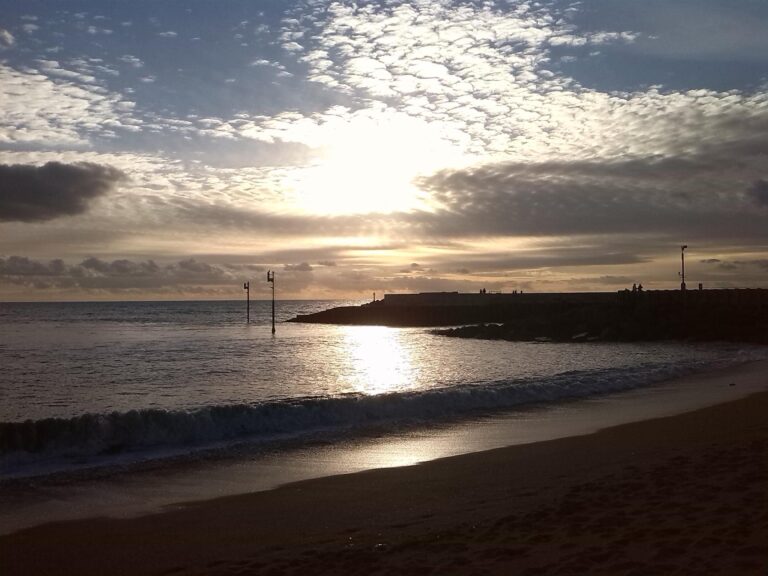
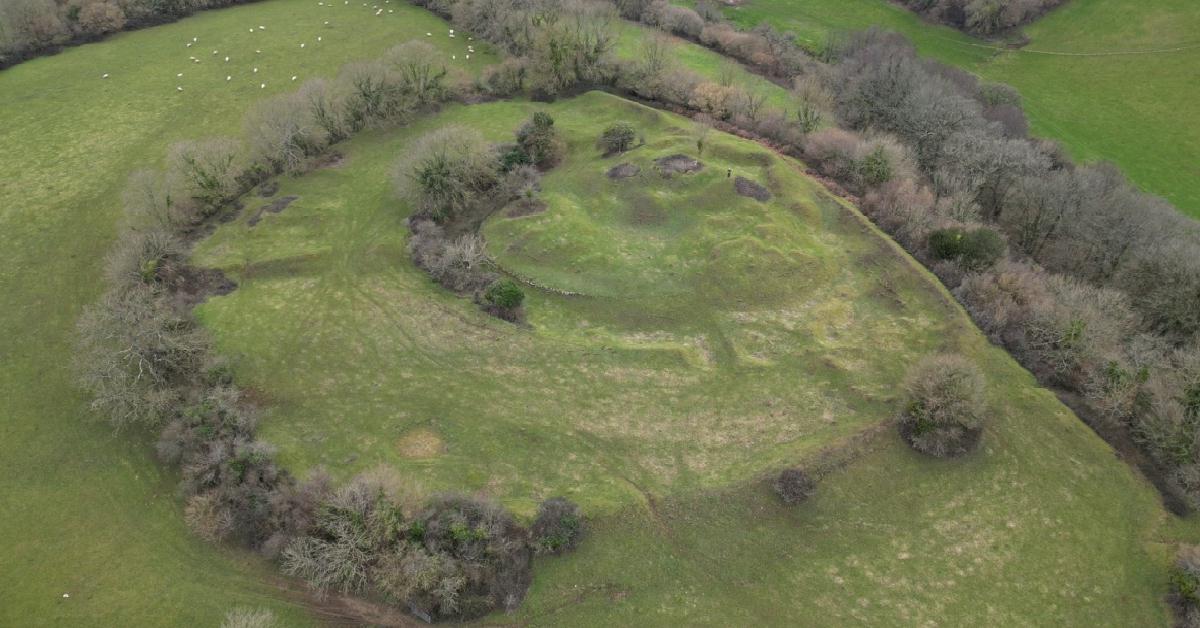
I have a DJI Mini 3 Pro for coastal photography, landscape shots as well as for documenting ancient historical Dorset locations in traditional and 720 degrees VR 3D.. (Bronze and Iron Age hillforts, Tumuli, long barrows, Anglo-Romano villas, medieval castles and ancient smuggler routes).
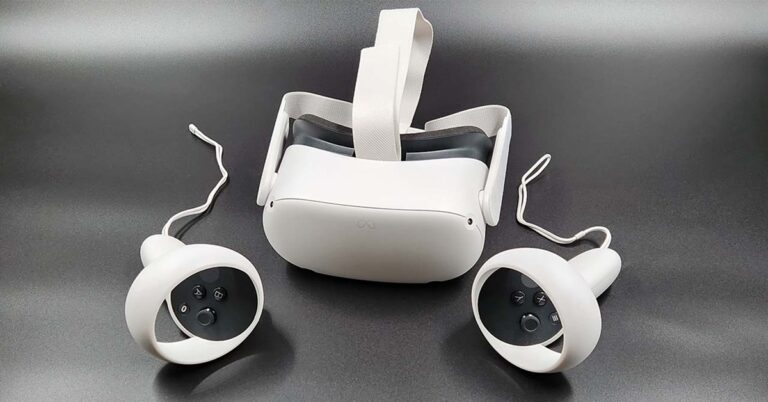
I also have a MetaQuest 2 with plans to create a Beach Cottage Digital Twin. (I’m working on a 3D model of Beach Cottage suitable for archiving and VR exploration).
I’ve pondered using photogrammetry (via Meshroom or RealityCapture) to turn photo sets into a literal Entropic Archive but hardware results have so far been underwhelming thus I’m pondering buying a 3D scanner for the task although capturing little 1″ – 4″ objects in high def 3d formats and capturing larger human or car sized objects with the same device is nigh on impossible at a consumer based price!
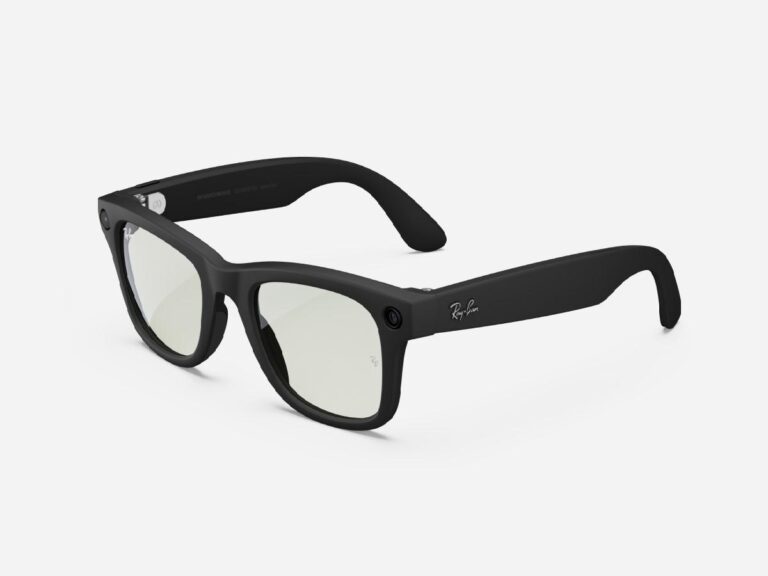
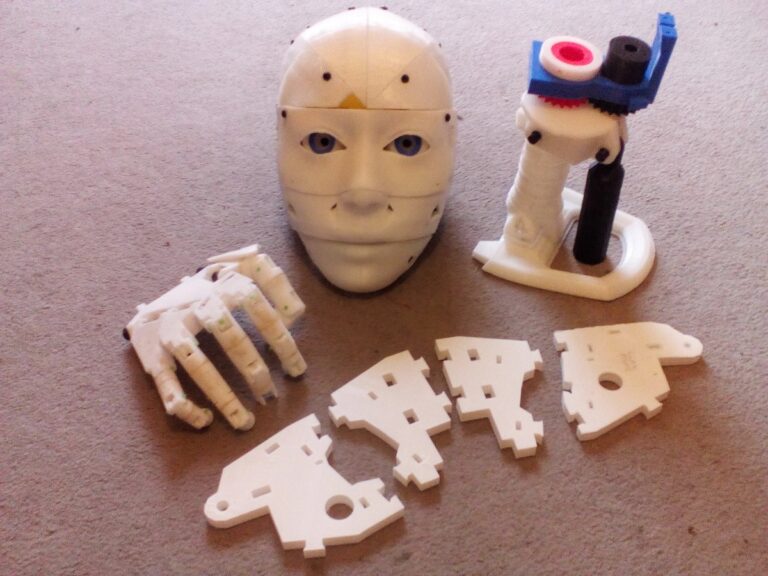
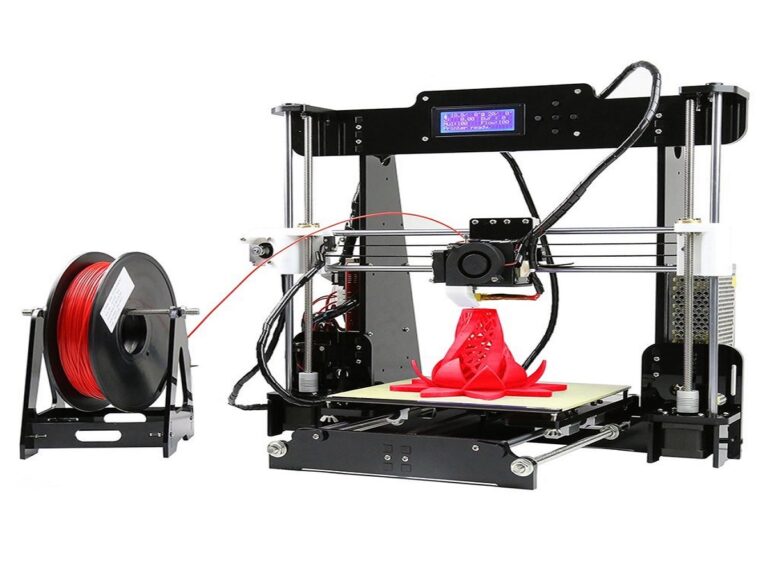
Finally, my Archival and Maker Hardware includes “Hadrian’s Wall,” a massive repository of mechanical 3.5″ hard drives estimated to be between 10 TB and 40 TB. For 3D printing, I use a Creality Ender-3 V3 KE which I am currently using to print a life-sized InMoov humanoid robot. My imaging and peripherals setup features Nikon P950/P1000 cameras, Ray-Ban Meta glasses, an Insta360 One X, an Insta360 One X3 and a CZUR Shine Ultra high-resolution document scanner. To keep everything connected, I rely on Sky 80 Mbps Broadband with Cudy routers and TP-Link extenders providing connectivity throughout the cottage and garden.
About the Author