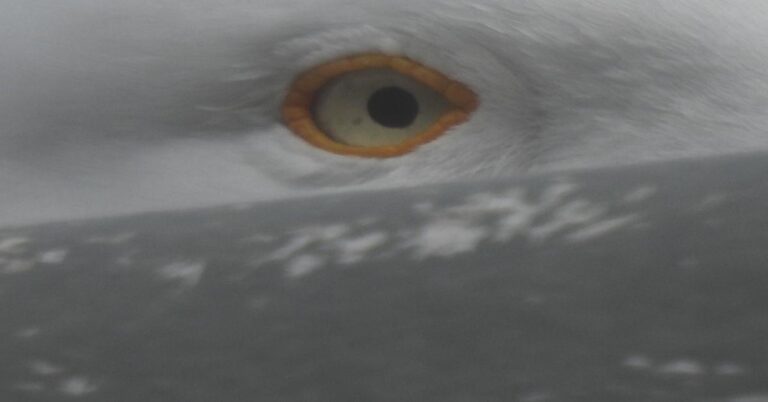
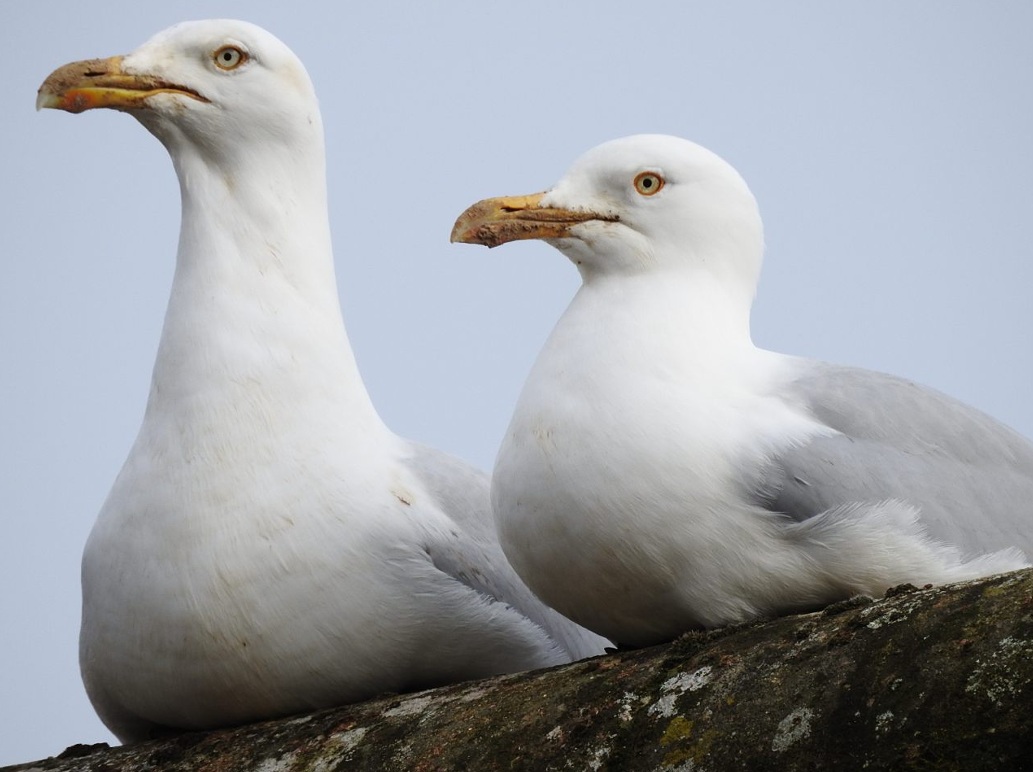
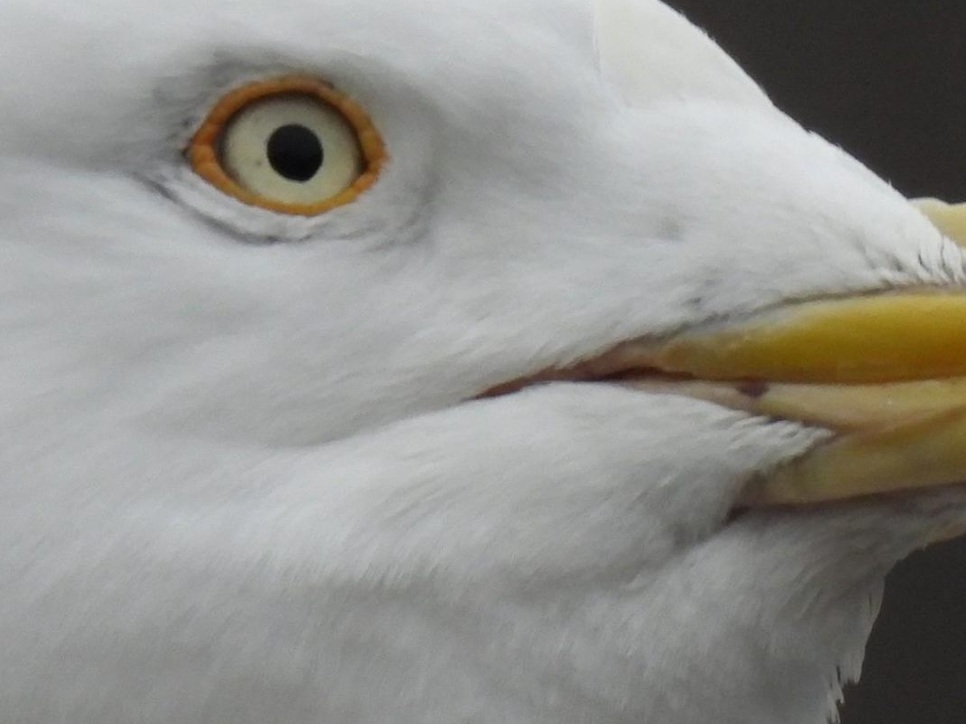
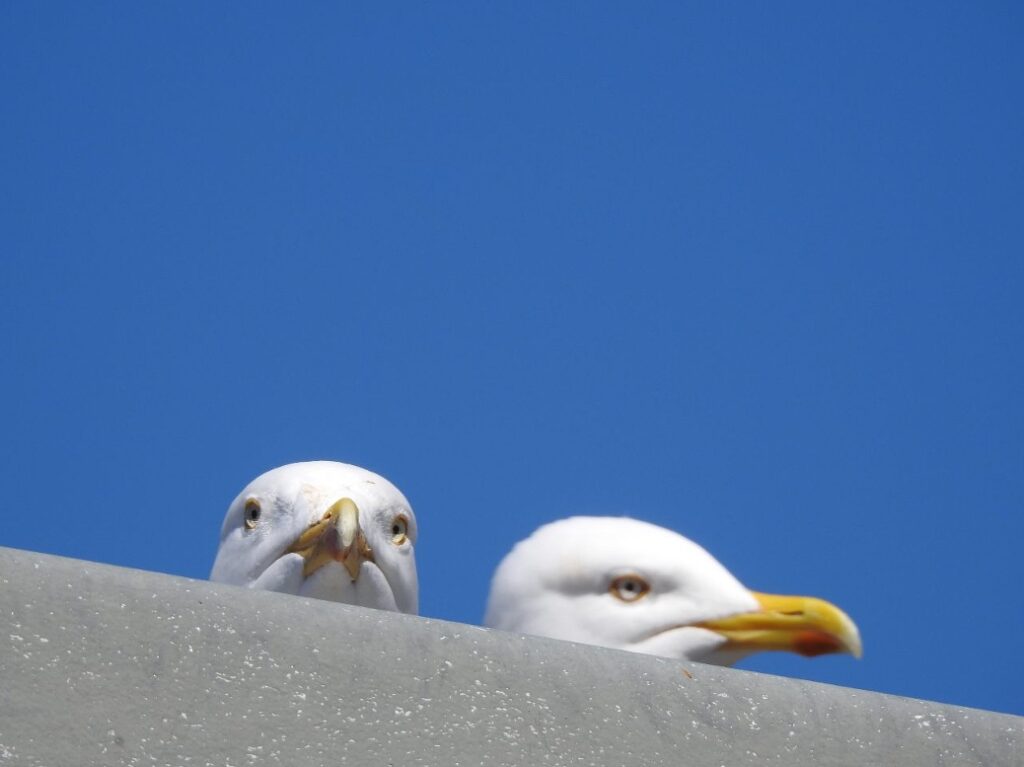
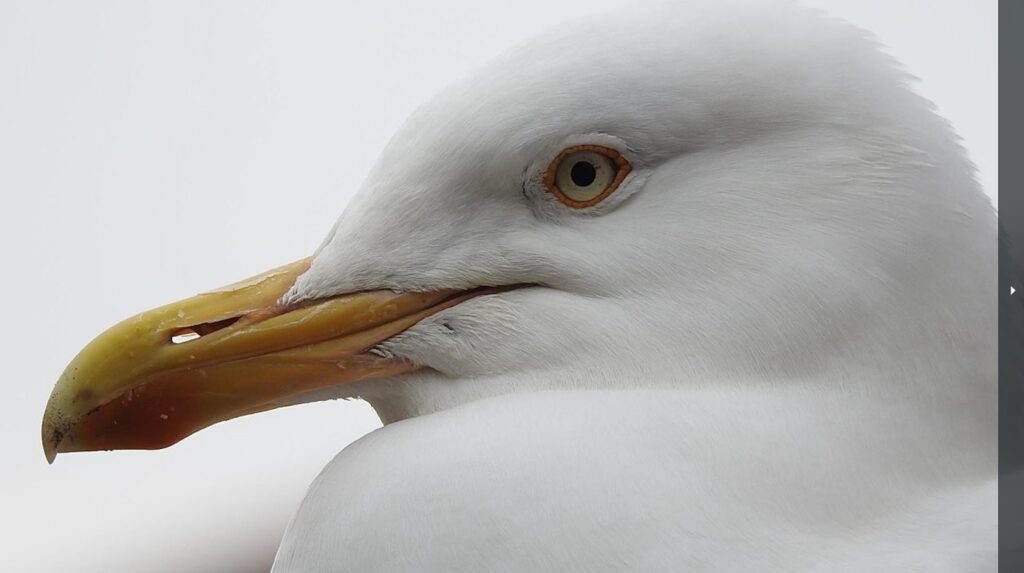
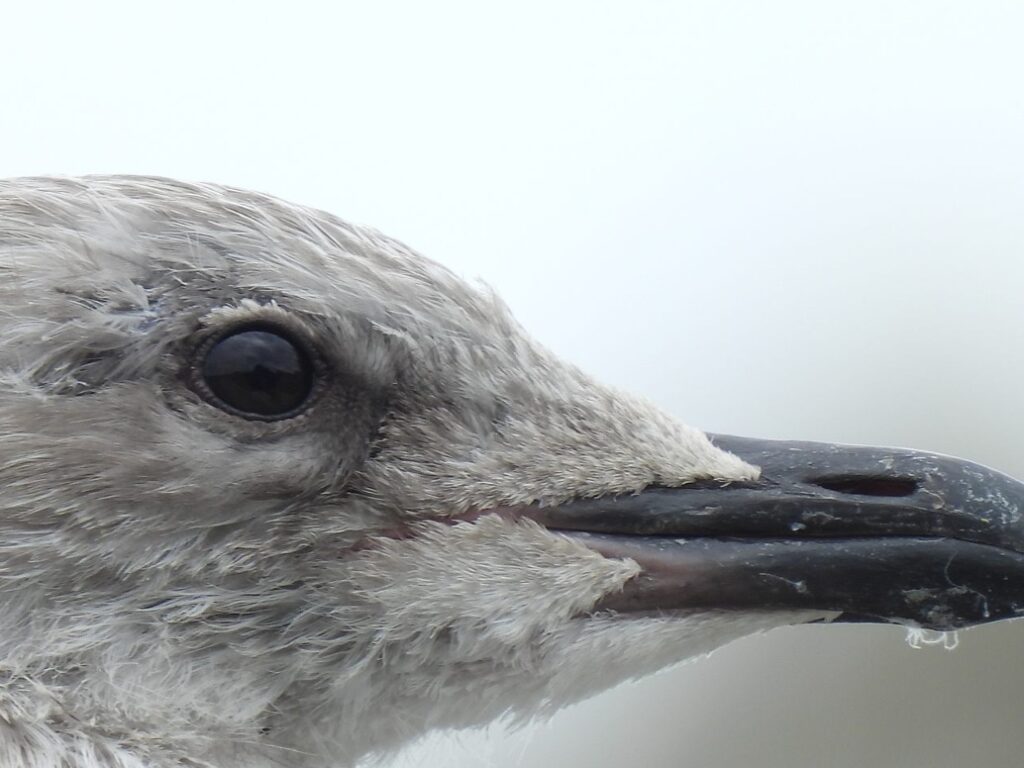
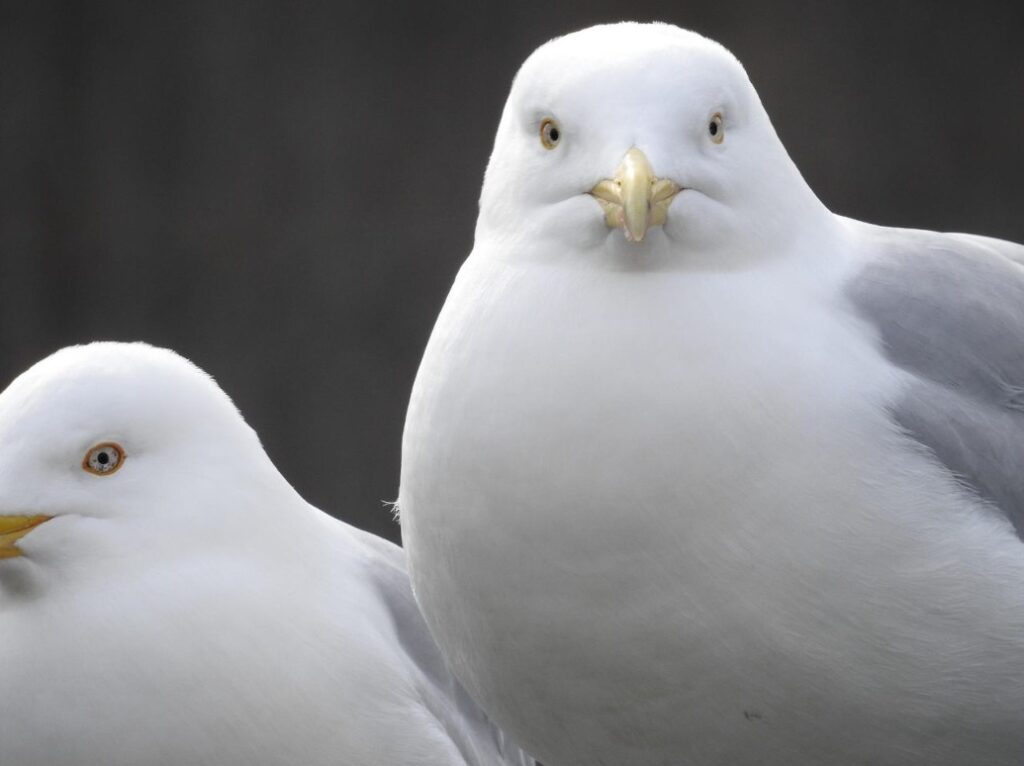
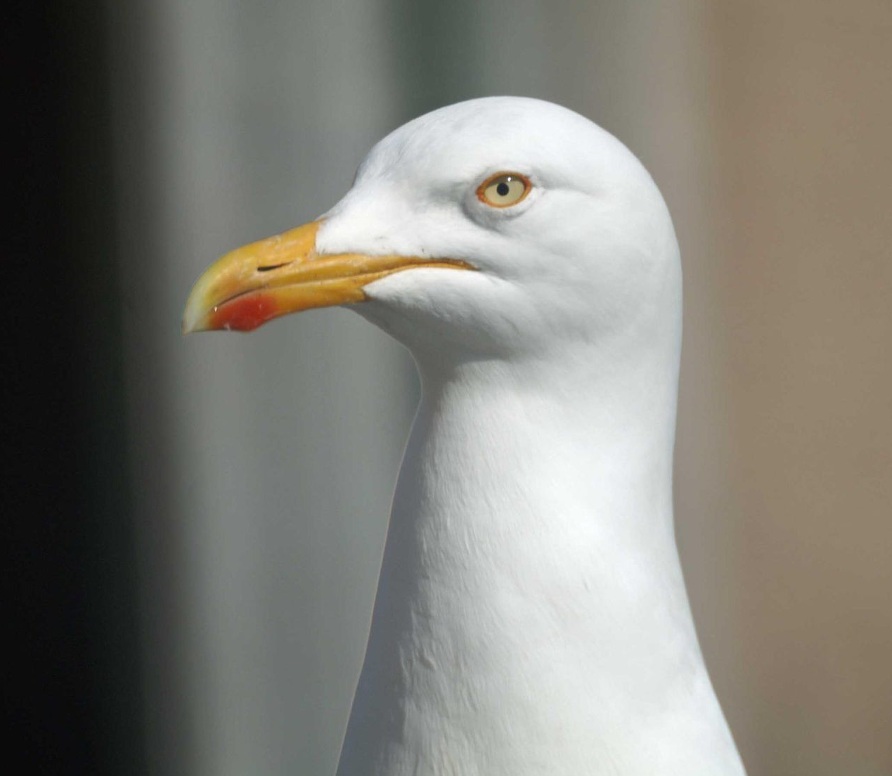
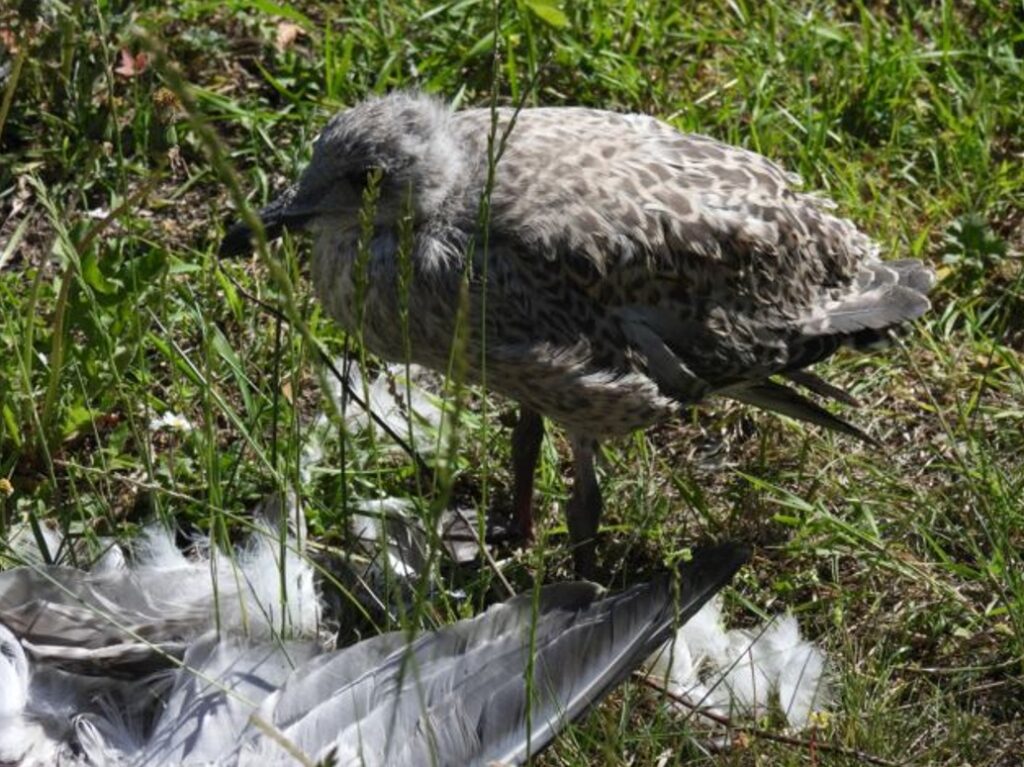
I define my relationship with the local herring gulls as a cross-species alliance forged through about sixteen years of détente. Over that time I’ve learned how to communicate with them and how to read their specific vocal and behavioural cues.
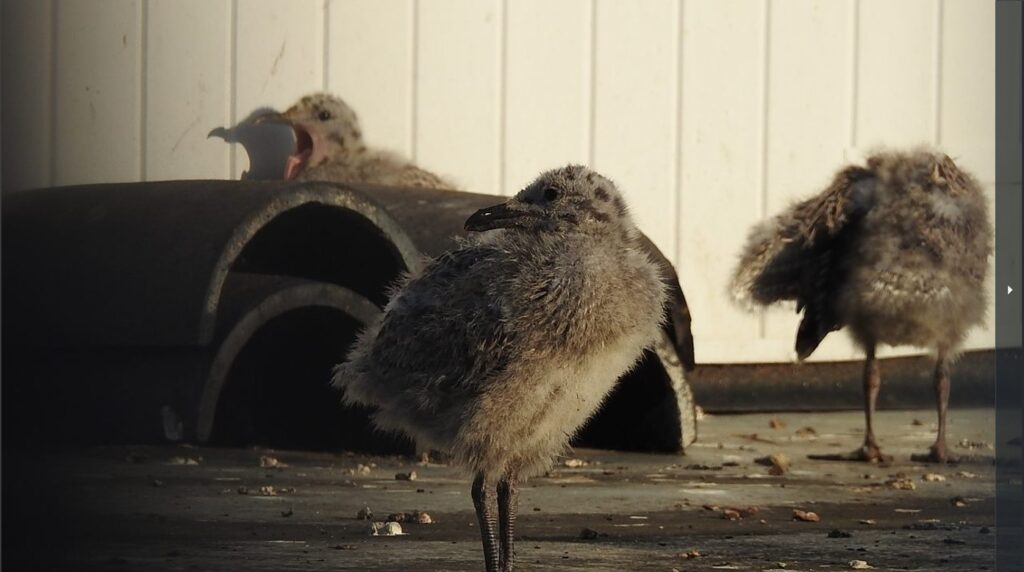
The early years were awkward and during nesting season they dive-bombed me with intent but instead, of following the usual advice not to feed them, I chose to treat them as neighbours rather than pests and that decision changed everything to the point where, instead of attacking me when I got close to the fledglings, these days I get a state visit where mum and dad arrive at my bedroom window some mornings, tapping on the glass to invite me to see their youngsters.
The Gull Lexicon
Over time I’ve come to recognise distinct phrases the gulls utter.
“Gab, gab, gab, gab”
This reads to me as an acknowledgement of presence and a polite request for mutual respect of personal space and using this phrase both the seagulls and myself can vocalise a comment that roughly translates to “Yes. I know I’m a little bit closer to you than you might like but, I promise, I’m not gonna get in your way.”
• Descending triumphant calls
An excited cascade of notes that translates, quite plainly, as “It looks like its dinner time, guys”.
• Quiet chattering
A sound reminiscent of dogs gently engaging their back teeth. This one signals contentment. It’s the sound of gulls that are relaxed and happy and I chastter my teeth in exactly the same way whenever I recognise that my little dinosaurs are off duty and just chilling.
Behavioural Mimicry and Diplomacy
There’s a surprising level of interactive communication going on with these creatures.
Mouth mimicry
I’ve watched gulls mirror my own mouth movements while I’m chatting to them, a behaviour that reminds me of how cats meow specifically for humans rather than for each other.
The Walker ritual
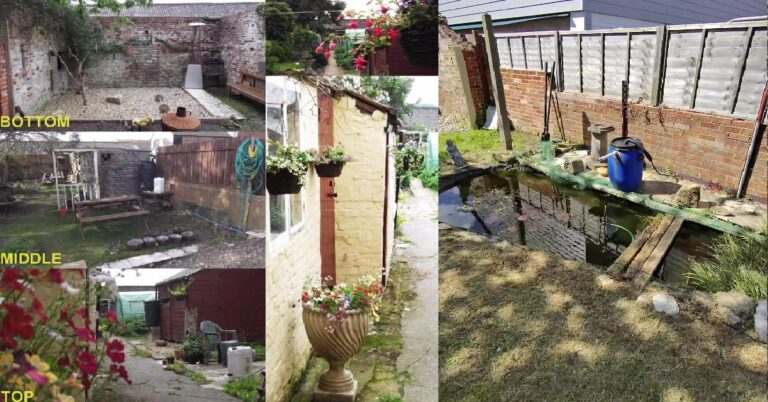
One particularly chilled gull, whom I call Walker, lives on a neighbour’s roof over 150ft from my study that looks out towards the rope walks style garden connected to Beach Cottage. Nevertheless, Walker responds to my distant wave, even from inside my study, when I may have some chicken bones or othe rleftovers to share.
He generally acknowledges my action with a nod and then he performs the same routine every time; a slow leisurely walk along the warehouse ridge followed by a glide down to the garden pond where he waits patiently for my arrival.
This gull diplomacy turns the garden into a habitat where a human and the descendants of dinosaurs negotiate peace through nods, other body language and dialogue and having negotiated peace and sanctuary instead of hostility, I’ve ended up with a magical long lasting experience with nature rather than the stereotypical trope of viewing my Avarian neighbours a nuisance.
About the Author