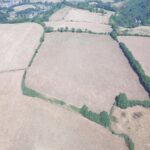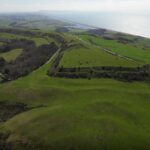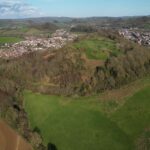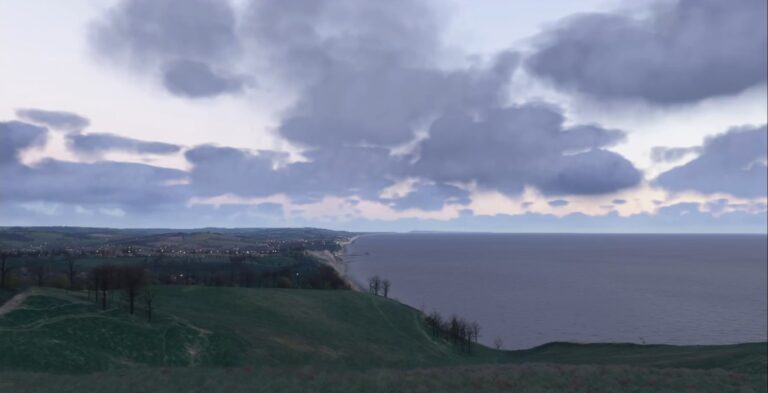
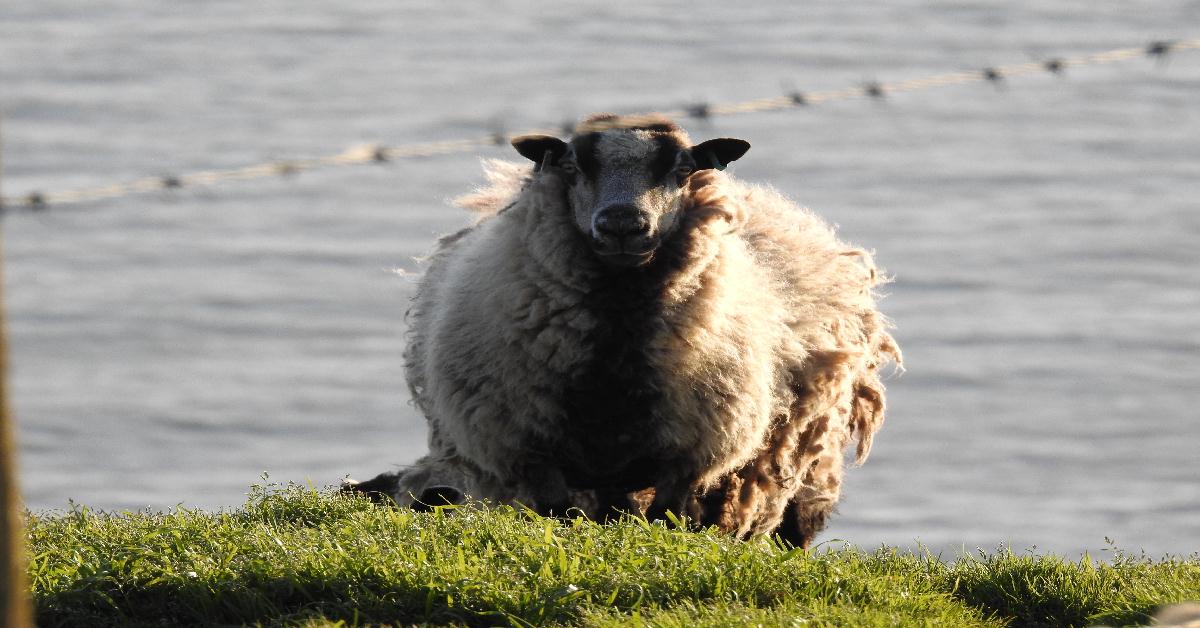
 No, that particular sheep, (above), wasn’t what inspired me to buy my first Nikon P900 superzoom bridge camera but it does capture the spirit of that moment.
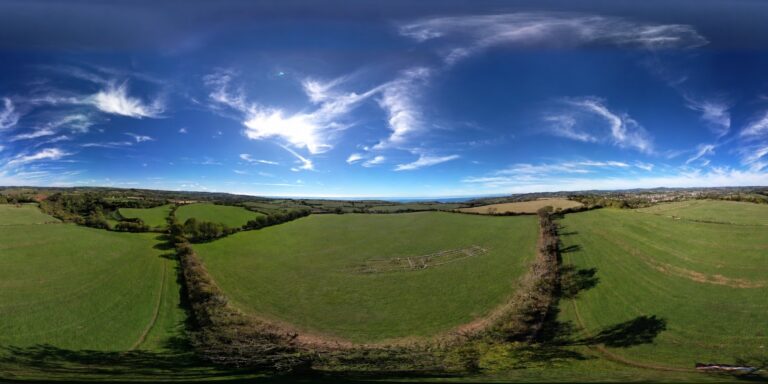
I was walking the ridge toward my beloved Chisels, a long-vanished Anglo Romano villa that once occupied the wild, windswept promontory overlooking my Bridport market town, when I saw a rare Dorset breed gazing back at me, Lyme Bay and the ocean spread out over its shoulder.
“If only I’d brought a camera,” I thought to myself.

I love my Nikon P950 camera; an upgrade to the previous P900 I owned.
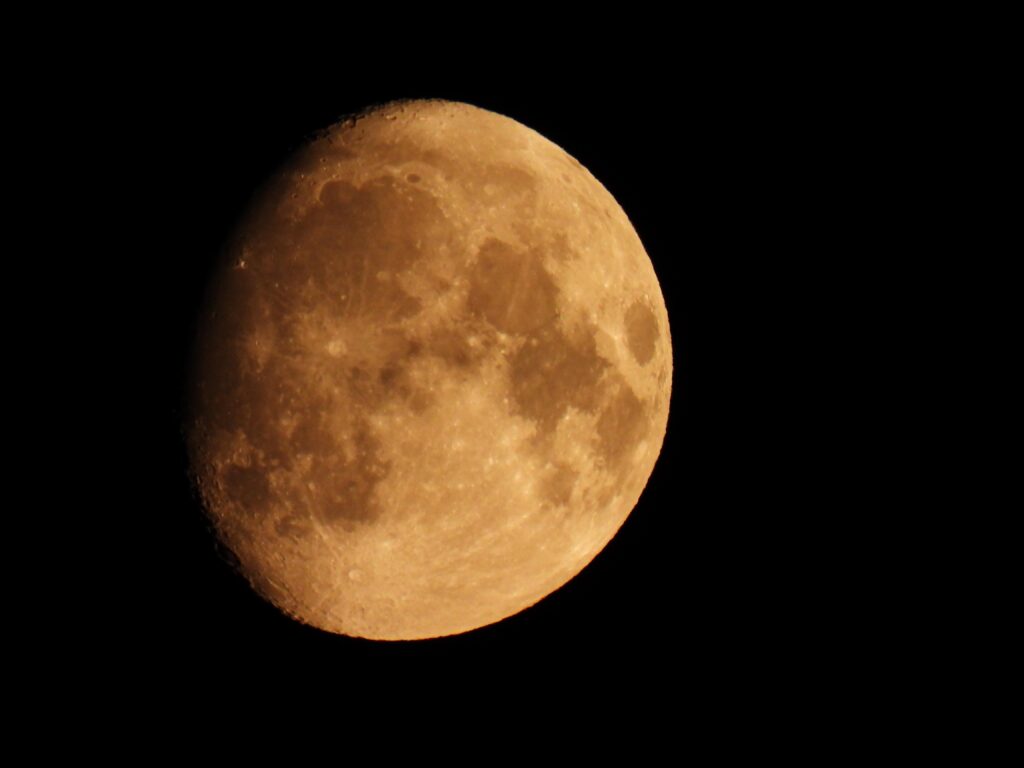
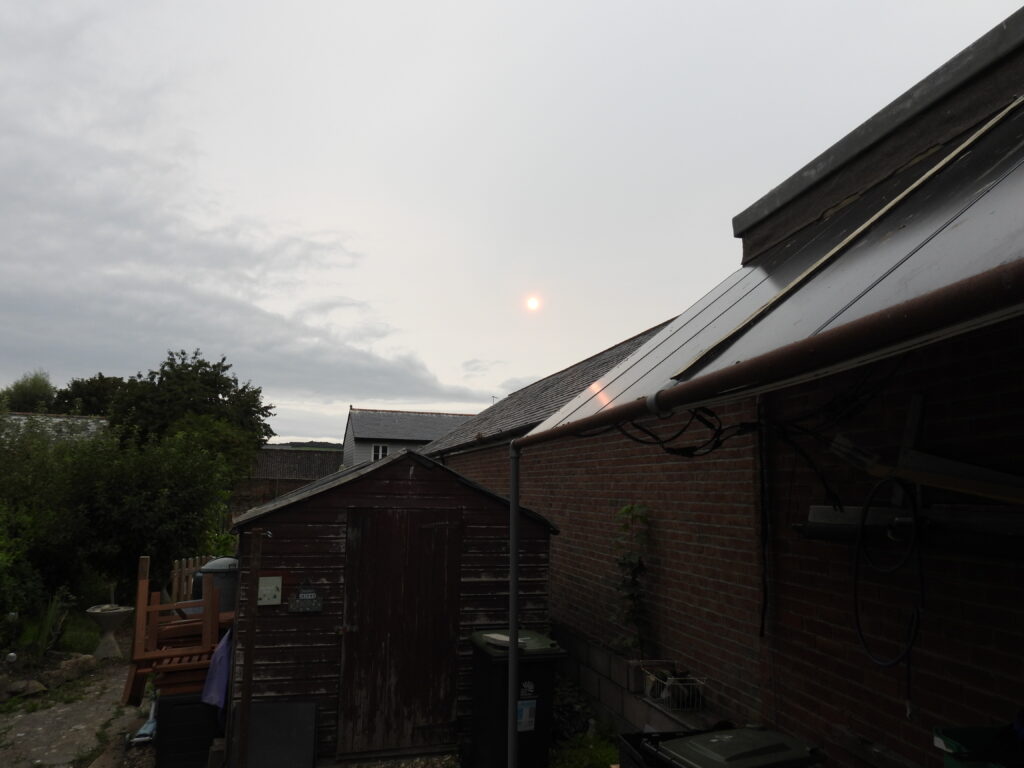
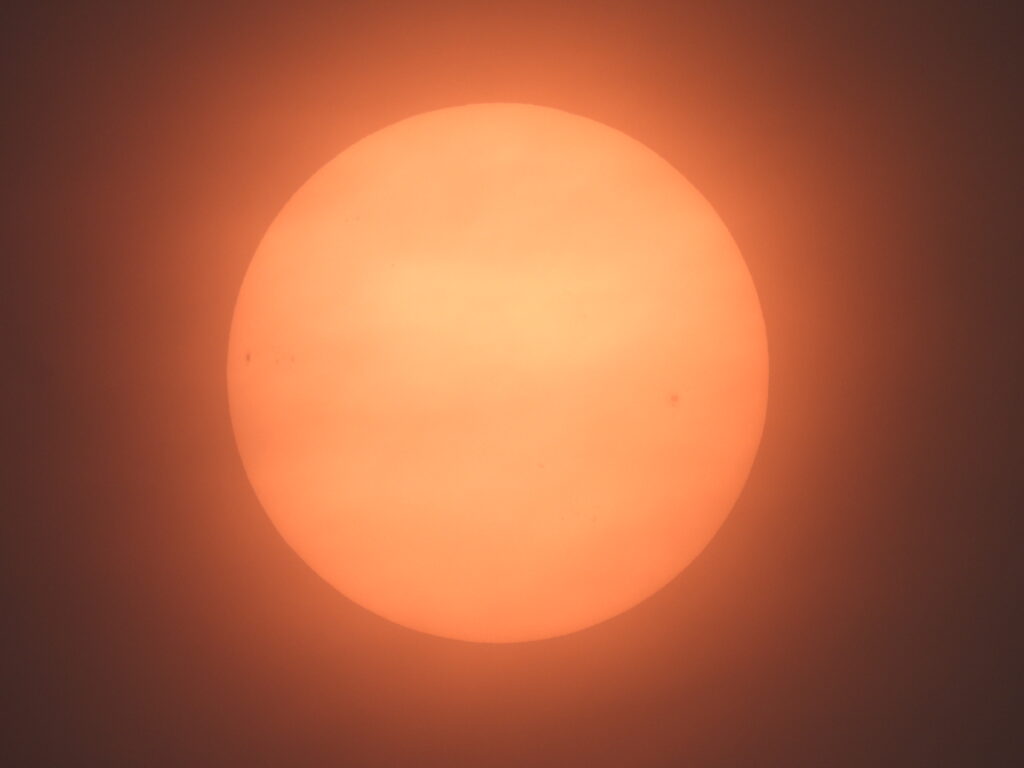
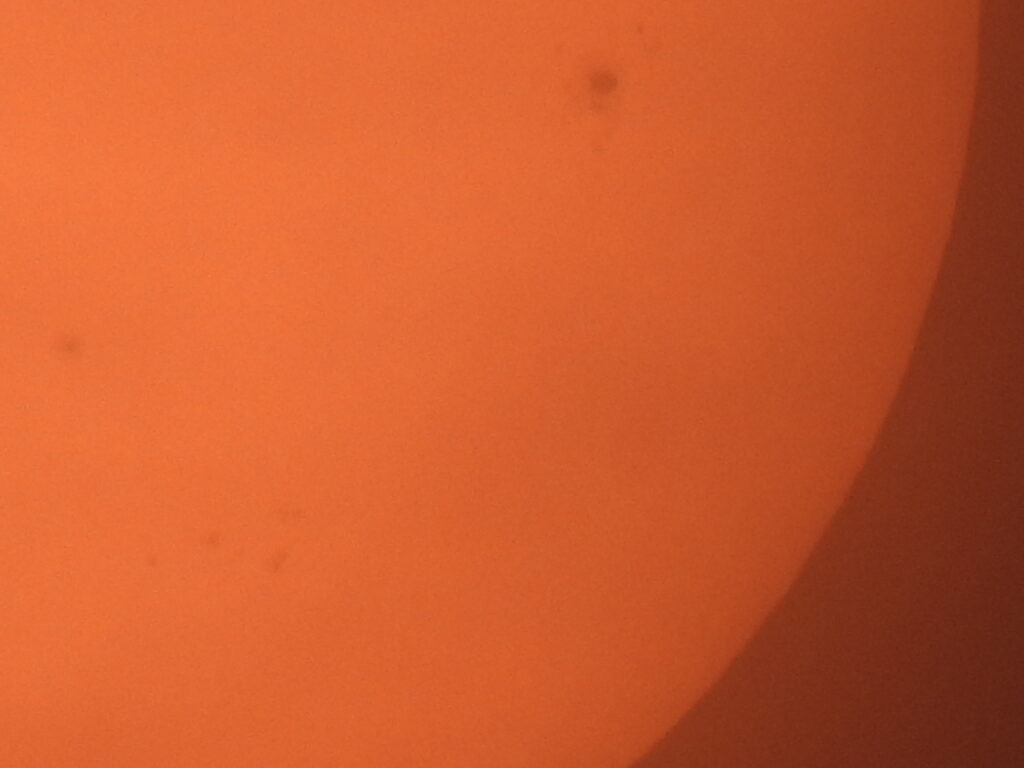
Although a bridge rather than a DSLR type of shooter, the Nikon stands out due to being the king of superzoom cameras boasting an amazing 83x optical zoom lens and this zoom capability allows me to capture detailed shots from vast distances, making it ideal for photographing ancient Dorset sites of archeological interest, wildlife photography, bird and shots of the moon. (It has special specific settings and features for both birds and lunar photography)
While its zoom is the highlight of the camera, it also has 4K video recording and a decent electronic viewfinder, making it a great all-round camera.
Sure. It is big and a bit bulky but show me any other way you could have such photographic reach with an 83X zoom lens without requiring a separate telephoto lens and a backpack to carry all the bits and bobs a normal DSLR requires to achieve such results.


The Transition: P900 to P950
• I describe the P900 is as a serious ‘Fun’ camera” used to take “impossible” opportunistic shots and bought mine for having a crazy zoom lens that was the biggest of its type for a bridge camera anywhere in the world.
• The P950, its successor, is identified as a refined, more compact follow-up version of the P900 released in 2020 which maintains the 83× optical zoom (24–2000 mm equivalent) while adding RAW support, an improved electronic viewfinder (EVF), and faster autofocus.
Primary Use Cases & Reach
• The standout feature is the remarkable “reach”, allowing me to bring unreachable subjects into intimacy.
• Specific applications include photographing archaeological sites in Dorset, wildlife, and the moon and it has special settings for bird photography.
• I can use the P950 for reprography too, noting it provides better detail and colour depth for digitising Dorset oil and watercolour paintings than a document visualizer and I can use it with a Nikon SnapBridge app which allows for remote video recording and setting adjustments via a smartphone.
Key Anecdotes & Observations
MuseByte adds …
• The “Sheep on the Headland” Revelation: While walking toward the “Chisels” Anglo-Romano villa site, you saw a “rare Dorset breed quietly chewing the grass” against the vista of Lyme Bay; this moment captures the spirit that inspired your Nikon superzoom era.
• The Tower Mural: You recount zooming in on the redbrick tower of “The BBC Club” and discovering a mural the size of a round dinner table that was otherwise invisible to the human eye.
• Technical Degradation: You note that several months ago, you may have damaged the micro focus aspect of your P950 after a drop onto a carpeted floor, leaving the macro feature “sub par”.
Archival Context
• The topic “Nikon P950 Bridge Camera” is a featured post in your digital ecosystem, with entries dated as recently as 21 August 2024.
• Images from these cameras are noted to be significantly “heavier” in file size than earlier digital eras, producing multi-megabyte JPEGs and RAWs.
This theme is extensively supported by fragments ranging from technical comparisons to deeply personal field notes.
Thanks, MuseByte.
The above photos are stunning, not for their quality but, rather … for their reach!
And look at this image. (Below)
I mean, can you see the horses?

Here’s a clue.

Could you spot a herd of horses over a mile away?

Or now?

Ah. There they are … way, way off in the distance.

Here they come.

And these.

Not very photogenic but to see these images at all from what were specks on the horizon?

And here … I tidy the image up enough to look pretty decent!


Again. See the zoom and reach of the camera by viewing this sliding gallery.
About the Author